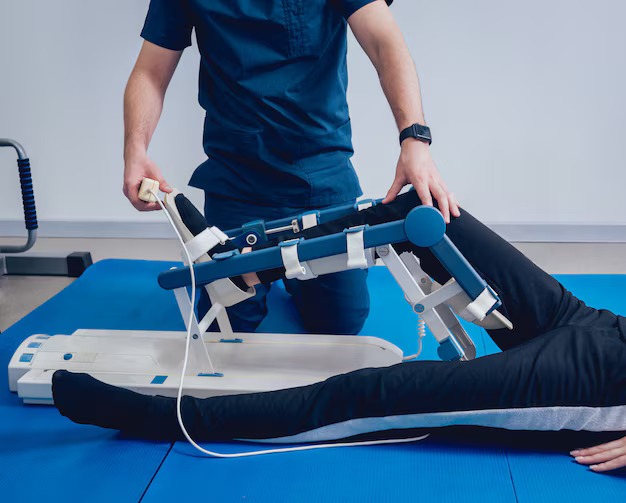
Physiotherapists are an essential component of primary care services, where primary care refers to the work of health professionals who serve as the first point of consultation for patients within the healthcare system. This role may be fulfilled by a primary care physician, such as a general practitioner or family physician, a licensed practitioner like a physiotherapist, or a non-physician primary care provider, such as a mid-level healthcare professional. Depending on the patient’s condition, referrals may then be made for secondary or tertiary care. In addition to direct patient care, physiotherapists also serve as case managers, educators, researchers, and consultants. Education in physiotherapy emphasizes preparing individuals for a well-rounded, balanced life with broad social and cultural engagement, fostering active citizenship.
Physiotherapists are committed to lifelong learning and the pursuit of evidence that supports and advances clinical practice. Essential qualities of successful physiotherapists include critical thinking, problem-solving, intellectual perseverance, and courage. These healthcare professionals play a significant role in health promotion and the management of disorders, diseases, and trauma, combining in-depth knowledge of human anatomy and physiology with specialized hands-on clinical skills to assess, diagnose, and treat physical dysfunctions resulting from illness, injury, trauma, or disability. All registered physiotherapists are qualified to provide safe and effective care, having met national entry-level education and practice standards and successfully passed a standardized physiotherapy competence examination, with a minimum requirement of a baccalaureate degree in physiotherapy. Overall, physiotherapy represents a vital part of the healthcare and community welfare delivery system.
PRACTICE SETTINGS FOR PHYSIOTHERAPISTS
Physiotherapy is delivered across a wide range of settings to support prevention, health promotion, treatment, habilitation, and rehabilitation. These settings include:
- Hospitals – across different levels in both public and private sectors.
- Physiotherapy private clinics – offering specialized outpatient care.
- Nursing homes – providing care for elderly or long-term patients.
- Occupational health centers – focusing on workplace-related health and rehabilitation.
- Out-patient clinics – for accessible and ongoing therapy sessions.
- Home-based care – delivering physiotherapy directly in patients’ homes.
- Sports centres/clubs – addressing sports injuries and performance enhancement.
- Fitness clubs, health clubs, gymnasia, and wellness centres – promoting general health and physical fitness.
- Special schools and care centres – supporting children or individuals with special needs.
- Senior citizen centres – facilitating active aging and mobility maintenance.
- Community-based rehabilitation facilities / disaster management and relief centres – providing rehabilitation and support in community or emergency settings.
- Hospices / Palliative care centres – providing terminal care and comfort-focused therapy.
- Prisons – offering rehabilitation and physical health services for inmates.
- Public settings – such as shopping malls, for health promotion and awareness programs.
- Workplaces / corporate settings – promoting occupational health and injury prevention.
- Integrated medical centres – combining multiple healthcare services, including physiotherapy.
- Women’s health centres – addressing women-specific health issues and rehabilitation.
- Research centres – advancing physiotherapy knowledge through scientific studies and trials.
Course duration:
Bachelor of Physiotherapy Curriculum extends over a period of 5 academic years (including one year of internship).
ADMISSION TERMS AND CONDITIONS
- He/she should have attained the age of 17 years as on – current year, as on the date of admission.
- Minimum Educational Qualification
- Candidate with Science who have passed the qualifying 12th
- Standard examination (10+2) and must have obtained a minimum of 50% marks in Physics, Chemistry and Biology taken together and passed in English individually.
- Candidates are also eligible from State Open School recognized by State Government and National Institute of Open School (NIOS) recognized by Central Government having Science subjects and English only.
- English is a compulsory subject in 10+2 for being eligible for admission to Bachelor of Physiotherapy.
- Colour blind candidates are eligible provided that colour corrective contact lens and spectacles are worn by such candidates.
- Candidate shall be medically fit.
- Married candidates are also eligible for admission.
- Students shall be admitted once in a year.
RAJIV GANDHI UNIVERSITY OF HEALTH SCIENCES, BENGALURU (RGUHS)
RGUHS is the affiliating university responsible for setting academic standards, curricula, examinations, and overall regulations for physiotherapy colleges across the state—including Bachelor of Physiotherapy programs. RGUHS ensures academic quality, regulatory compliance, and degree issuance for courses acro Bachelor of Physiotherapy Karnataka. Every offering Physiotherapy college must be affiliated with RGUHS to ensure standardized education and regulation across Karnataka. All admissions are subject to eligibility conditions of Rajiv Gandhi University of Health Sciences. Eligibility certificates will have to be obtained from Rajiv Gandhi University of Health Sciences, Bangalore.
REQUIRED DOCUMENTS FOR ADMISSION
1. Seven copies of recent photographs (passport size).
2. The following original certificate shall be retained by the college for issue of University enrolment number:
a) 10th standard pass Certificate for proof of date of birth ( Original + 3 attested copies)
b) 12th standard marks card/ pass certificate (Original + 3 attested copies)
c) Transfer certificate from last institute attended
d) Conduct certificate
e) Migration certificate from board/ university of the institute last studied
f) Certificate pertaining to claims of reservations.
g) Eligibility certificate (Non Karnataka Candidates. The candidates shall apply online)
h) Copy of certificate for proof of residence like Aadhar card/ Electricity Bill/Driving License.