

Our Courses
BACHELOR IN MEDICAL RADIOLOGY AND IMAGING TECHNOLOGY
Approved by Govt. of Karnataka
COURSE OVERVIEW
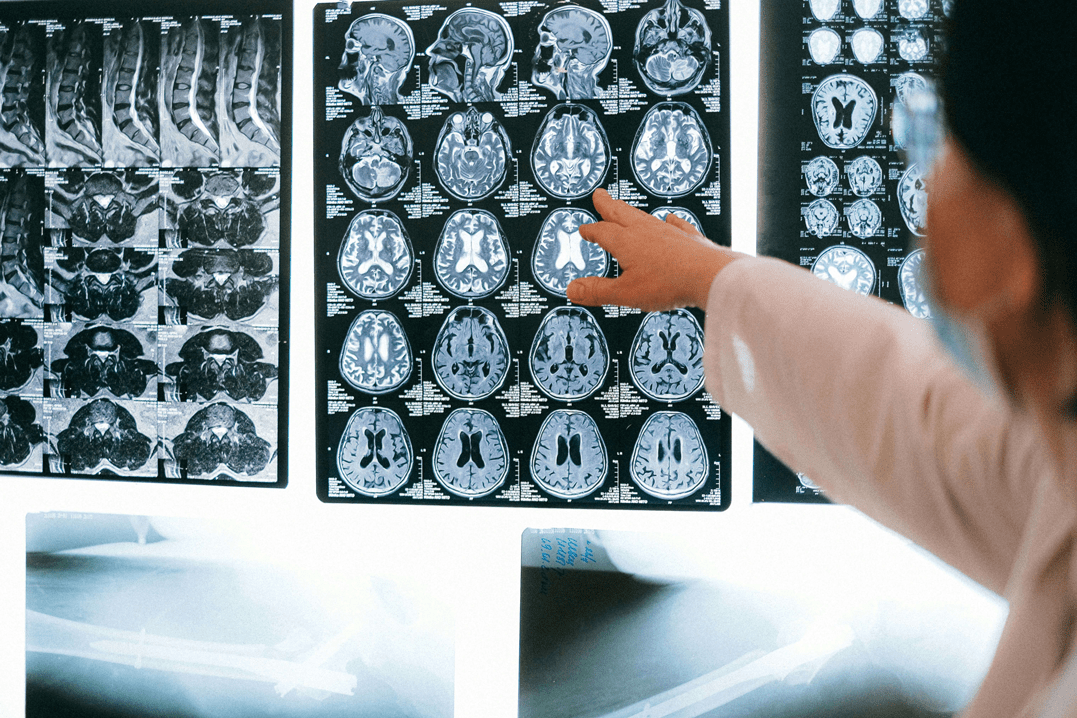
Medical Radiology and Imaging Technology is a health profession focused on the direct administration of radiation primarily X rays for the diagnosis of diseases and assessment and treatment of injuries. From the early days of plain film techniques, the field has evolved into a wide array of advanced imaging methods, including conventional and digital X-rays, ultrasound, magnetic resonance imaging (MRI), and radionuclide imaging. Today, modern diagnostic radiography and medical imaging form an integral part of medical practice, playing a vital role not only in diagnosis but also in treatment planning and monitoring.
The term “diagnostic radiography” refers to a variety of radiographic or X-ray examinations. These procedures range from simple imaging studies to more complex investigations that require contrast agents, enabling visualization of organs and structures that would otherwise remain unseen. Medical imaging professionals are therefore at the heart of modern healthcare, contributing significantly to accurate and timely medical decisions.
Diagnostic radiographers utilize a broad range of imaging techniques and sophisticated equipment to produce high-quality images of injuries and diseases. These techniques include X-rays, mammography, fluoroscopy, computed tomography (CT), magnetic resonance imaging (MRI), nuclear medicine, and angiography. For decades, medical imaging has been a cornerstone of medical diagnosis. However, ongoing technological advancements and the development of new imaging modalities have made this field one of the most dynamic, rapidly expanding, and in-demand areas in clinical medicine.
About Medical Radiology and Imaging Technology
Radiology, as a branch of medicine, uses radiation and advanced imaging technologies to diagnose and treat diseases. It enables radiologic technologists to create detailed images of internal body structures to detect injuries or pathological conditions. Radiology plays a central role in clinical practice across numerous medical specialties. It provides one of the most practical, minimally invasive, and anatomically precise methods to diagnose diseases, monitor treatment effectiveness, and detect disease progression or recurrence. Over the past two decades, the growing sophistication and accuracy of clinical imaging have significantly increased the utilization and importance of radiology.
In recent years, the increasing complexity of radiologic procedures has transformed Medical Radiology and Imaging Technology into a highly specialized and advanced scientific field. It requires well-trained and competent professionals who can maintain high standards of accuracy in radiographic positioning and exposure techniques. A qualified Medical Imaging Technologist possesses expertise in both diagnostic and interventional radiology, ensuring safe, precise, and effective imaging services that support quality patient care.
Scope of practice
Diagnostic Radiographers/Technologists are experts in radiation safety and human anatomy, using a variety of imaging modalities to aid diagnosis. They act as the key link between patients, radiologists, and the healthcare team, ensuring patient care through communication, assessment, and monitoring. They engage in quality improvement and continuing education to maintain technical skills and professional competence, using technologies like X-rays, CT, MRI, fluoroscopy, mammography, nuclear medicine, and angiography.
X-ray – Penetrates the body to examine and view internal structures.
Fluoroscopy – Uses X-rays to obtain real-time moving images of internal body parts.
CT (Computed Tomography) – Provides cross-sectional images of the body using X-rays and computer processing.
MRI (Magnetic Resonance Imaging) – Produces detailed images of different tissue types using strong magnets and RF waves.
Ultrasound – Uses high-frequency sound waves to image internal structures; commonly used in obstetrics, gynecology, heart, and circulation studies.
Angiography – Radiological imaging used to examine blood vessels.
Mammography – Imaging of breast soft tissue.
DEXA (Dual-Energy X-ray Absorptiometry) – Measures bone density.
Duration of the course
Duration of the course: 3 years (6 semesters) + 1 year (7th and 8th semester) internship. Total 4 years or 8 semesters programme.
ADMISSION TERMS AND CONDITIONS
- Age Limit: Candidates are typically required to be at least 17 years old by December 31st of the admission year. The maximum age limit for admission shall be 35 years
- Minimum Educational Qualification
The candidate must have passed Higher Secondary (10+2) or equivalent examination recognized by any Indian Board or a duly constituted Board or National Open School with at least 50% marks in aggregate of physics, chemistry and biology (Botany & Zoology).
Candidates are also eligible from State Open School recognized by state Government and National Institute of Open School (NIOS) recognized by Central Government having Science subject and English only
- Color blind candidates are eligible provided that color corrective contact lens and spectacles are worn by such candidates
- Candidates shall be medically fit
- Married candidates are also eligible for admission
- Students shall be admitted once in a year
- Reservation policy:
- Seats are reserved for candidates belonging to specific categories as follows:
- Scheduled Castes (SC): 15% of the total seats.
- Scheduled Tribes (ST): 7.5% of the total seats.
- Seats are reserved for candidates belonging to specific categories as follows:
- Other Backward Classes (OBC-NCL): 27% of seats reserved for Non-Creamy Layer candidates, based on the central list.
- Economically Weaker Section (EWS): 10% of seats are reserved for candidates from the General category with an annual family income of less than ₹8 Lakh.
- Persons with Disability: 5% horizontal reservation is applicable across all categories (General, EWS, OBC, SC, ST) for candidates with 40% or more benchmark disability
Candidates belonging to SC/ST/OBC (NCL) categories are granted a relaxation of 5% in the minimum aggregate marks required in 10+2 (Physics, Chemistry, Biology).
- General Category: Minimum 50% in PCB.
- Reserved Category: Minimum 45% in PCB.
RAGIV GANDHI UNIVERSITY OF HEALTH SCIENCES, BENGALURU (RGUHS)
RGUHS is the affiliating university responsible for setting academic standards, curricula, examinations and overall regulations for Allied health science courses. RGUHS ensures academic quality, regulatory compliance, and degree issuance for BSc. Medical Radiology and Imaging Technology course across Karnataka. All admissions are subject to eligibility conditions of Rajiv Gandhi University of Health Sciences. Eligibility certificate will have to be obtained from Rajiv Gandhi University of Health Sciences, Bangalore.
REQUIRED DOCUMENTS FOR ADMISSION
- Seven copies of recent photographs (Passport size)
- The following original certificate shall be retained by the college for issues of University enrolment number:
- 10th standard pass certificate for proof of date of birth (Original +3 attested copies)
- 12th standard marks card / pass certificate (Original +3 attested copies)
- Transfer certificate from the last institute attended
- Conduct certificate
- Migration certificate from board / university of the institute last studied
- Certificate pending to claims of reservations
- Eligibility certificate (Non-Karnataka candidates)
- Copy of certificate for proof of residence like Aadhar card/ Electricity Bill/ driving License
CURRICULUM OUTLINE
| Semester I | Human Anatomy
Physiology Basics of Radiation Physics Introduction to Healthcare Medical Terminology and Record Keeping Basic Computers and Information Science Medical Law and Ethics Professionalism and Values Principles of Management English and Communication Skills BMRIT Radiology Clinical Education – part I (studentship) |
| Semester II | Basics of Microbiology
Basics of Biochemistry Conventional Radiography and Equipment Clinical Radiography Positioning (Part I) Radiology Clinical Education – Part II (Studentship) |
| Semester III | Pathology
Clinical Radiography Positioning (Part II) Radiography and Image Processing Techniques Contrast Media and Special Radiological Procedures Radiology Clinical Education – Part III (Studentship) |
| Semester IV | Cross Sectional Anatomy
Modern Radiological Imaging Equipment and Physics Interventional Radiology Techniques Patient Care in Radiology Radiology Clinical Education – Part IV (Studentship) |
| Semester V | Basic Techniques in CT Technology
Radiation Safety in Diagnostic Radiology Quality Assurance in Diagnostic Radiology and Regulatory Requirements Radiology Clinical Education – Part V (Studentship) |
| Semester VI | Basic Techniques in MRI Technology
Introduction to Nuclear Medicine Techniques Ultrasound Techniques Biostatistics and Research Methodology Radiology Clinical Education – Part VI (Studentship) |
| Semester VII and VIII | Internship |
Facilities That Foster Excellence for Future Professionals
State-of-the-Art Infrastructure
Well-Equipped Labs and Simulation Centers
Modern Library and Digital Resources
Clinical Training at Renowned Hospitals
Why Choose N.E.T Institute of Allied Health Sciences?
N.E.T Institute of Allied Health Sciences stands as a beacon of quality education, equipping students with the knowledge, skills, and compassion required to excel in the healthcare sector. With a focus on academic excellence, hands-on clinical training, and a student-centric learning approach, we ensure our graduates are well-prepared to meet the challenges of the ever-evolving medical field. Choose N.E.T Institute of Allied Health Sciences to embark on a journey of growth, innovation, and service to humanity. Here’s why our institution stands out: